



News and insights from the Verallo team
HMRC’s £200 million court decision: What every LLP needs to know
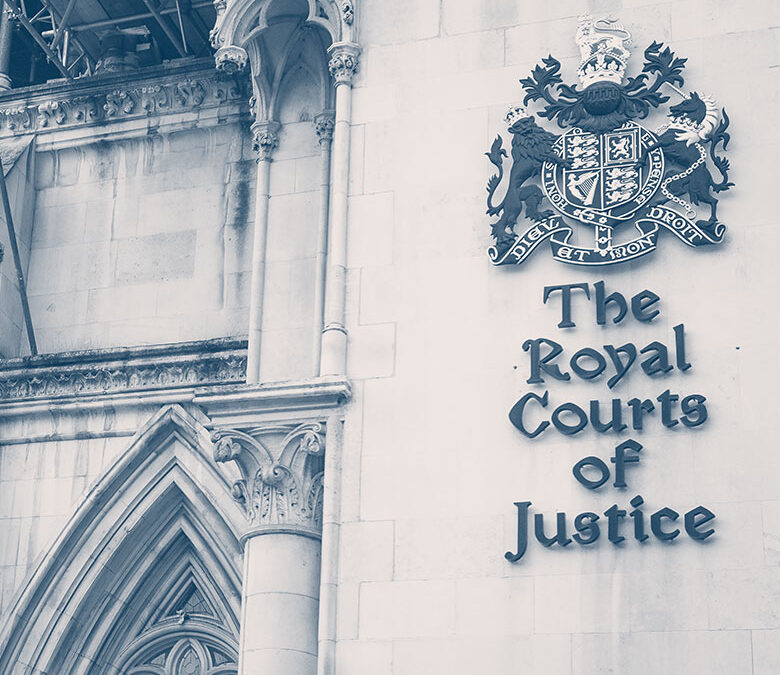
HMRC’s successful Supreme Court case against BlueCrest Capital Management marks an important development in the interpretation of the salaried member rules, providing valuable guidance for Limited Liability Partnerships (LLPs) across the UK.
The case considered whether certain members of BlueCrest’s LLP should be treated as genuine partners for tax purposes or whether they should instead be treated as employees under the salaried member legislation.
The Supreme Court dismissed BlueCrest’s appeal, confirming HMRC’s position that many of the LLP members fell within the salaried member rules. The resulting liabilities were reported at approximately £197 million, including around £142 million in PAYE liabilities and £55.3 million in National Insurance contributions.
Why this matters for LLPs
Although the case involved a large investment management firm, the principles considered by the Supreme Court are relevant to LLPs operating across a wide range of sectors, including professional services, consultancy, legal practices and accountancy firms.
The salaried member rules were introduced to ensure that individuals who operate in a way that is closer to employment are not automatically treated as self-employed partners simply because they are members of an LLP.
The rules consider three key conditions, including whether:
- A member’s remuneration is effectively a disguised salary
- A member has significant influence over the affairs of the LLP
- A member has sufficient capital invested in the LLP
Where the relevant conditions are met, an LLP member may be treated as an employee for tax purposes, meaning PAYE and National Insurance obligations could apply.
What should LLPs review?
The decision highlights the importance of ensuring that an LLP’s structure reflects the commercial reality of how the business operates.
LLPs may wish to review:
- Partnership agreements
- Profit-sharing arrangements
- Members’ capital contributions
- Decision-making responsibilities
- Remuneration structures
A proactive review can help identify potential issues and provide greater confidence that existing arrangements remain aligned with current tax legislation.
A wider reminder for business owners
The BlueCrest decision demonstrates the importance of regularly reviewing business structures as tax rules and case law continue to develop.
At Verallo, we are increasingly helping business owners and professional firms gain greater clarity around how their structures are viewed from a tax perspective. Many businesses establish LLP arrangements for valid commercial reasons, but it remains important that those arrangements continue to reflect the reality of how the business and its members operate.
Tax planning is most effective when structures are reviewed regularly, rather than only when a challenge arises.
How Verallo can help
At Verallo, we provide practical, commercially focused tax advice to help businesses navigate complex rules and make informed decisions.
If you operate an LLP and want reassurance that your current structure remains appropriate, a provide a professional review to help identify potential risks and opportunities.
Get in touch with our team today.